CANNABIS Agriculture Commodity Board


Agricultural commodity gene banks build a shared genetics library that support plant breeding efforts and long-term crop resilience.
Cannabis genetics sit in private collections and seed companies with uneven records and no long-term public access. Commercial lines show thousands of names but limited genetic range, leaving cannabis farming exposed to disease, pests, and climate shifts.
Led by Dr. Max Jones at the University of Guelph, NFCF is building a public cannabis genebank in Canada to collect, preserve, and document varied genetics. The collection supports breeding work for traits like disease response and day-neutral flowering.
Agricultural genetic variation protects crops from shocks, yet agriculture lost variation in the 20th century. Cannabis faces similar pressure. Commercial genetics pass through tight bottlenecks, landraces disappear, and wild traits go uncollected. Canada lacks a public genebank for high-THC cannabis, limiting long-term breeding options for cannabis farming. Private collections offer no guaranteed access.
NFCF partners with Dr. Max Jones and the University of Guelph to design a public genebank with clear intake, storage, and documentation steps. The project prioritizes varied sources of genetics, then records standardized genotype and phenotype information for research and breeding use. NFCF supports member engagement and knowledge sharing to strengthen future cannabis farming nationwide.
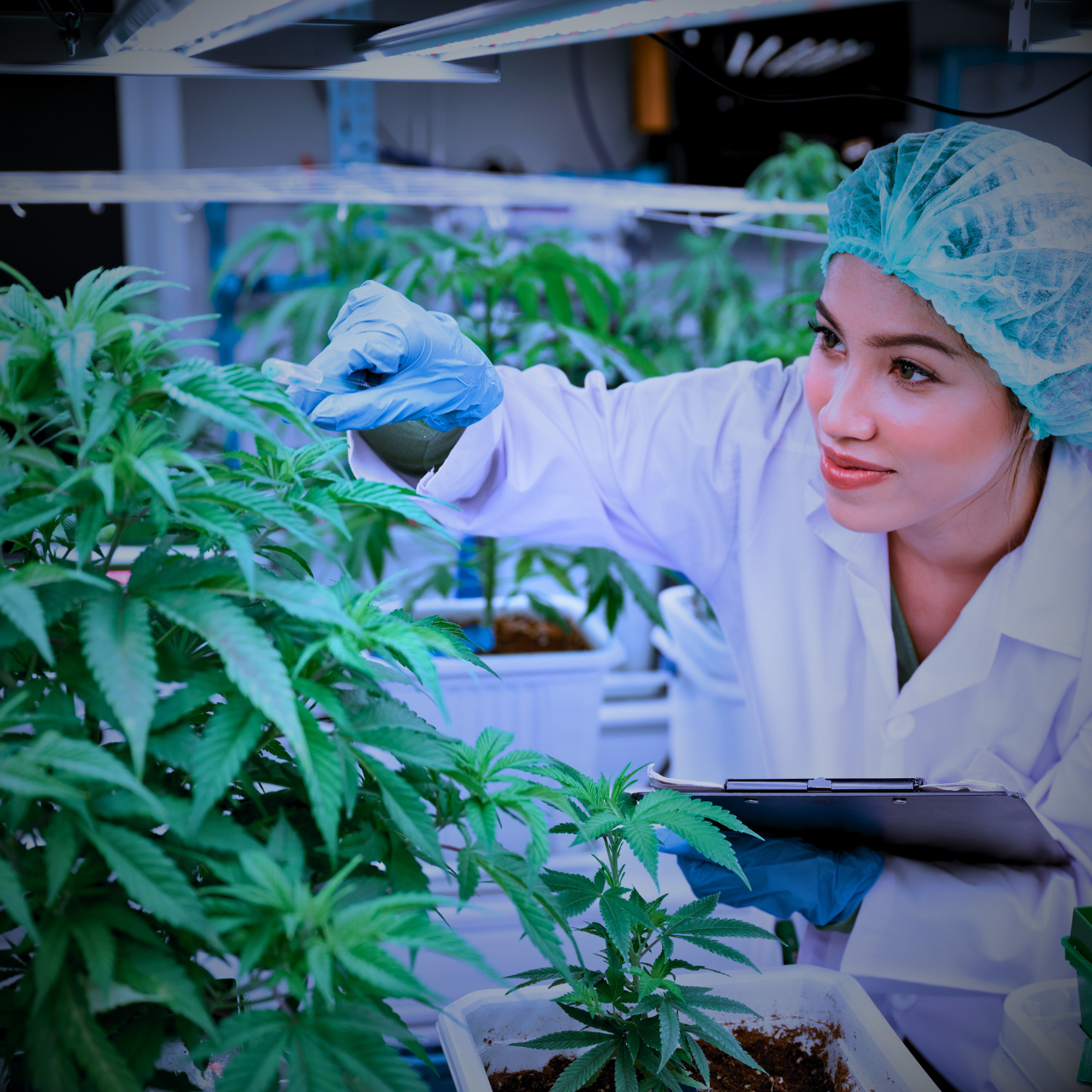

Without a public genebank in Canada, cannabis farming stays dependent on a narrow genetic base, raising exposure to pests, disease, and climate stress. Loss of landraces and wild populations reduces breeding options for day-neutral traits and resistance. If governance and access rules remain unclear, partners might limit contributions and the collection might fail to serve farmers over time.
The project mitigates risk through a public-sector mandate led by Dr. Max Jones, Professor in Plant Sciences at the University of Guelph. The team applies proven gene bank practices, including standardized documentation, long-term storage plans, and clear access pathways for research. NFCF adds governance support and member input so the collection remains trusted and usable for cannabis farming.

A collaboration between Health Canada licensed labs, academic cannabis researchers, and farm members on proficiency trials.
Join the Federation of Cannabis Farmers and shape the future of the cannabis farming industry, nationwide.